It sounds ridiculous
until you go.
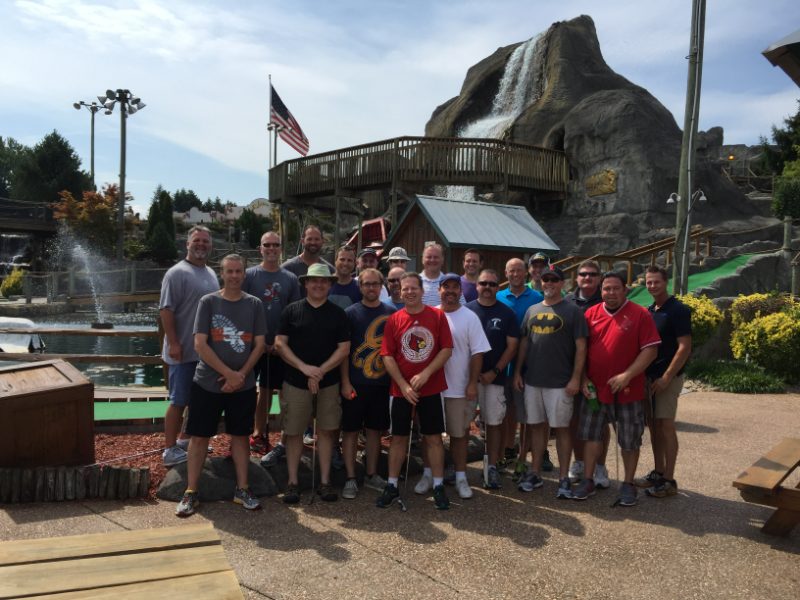
For nearly 30 years, a group of friends has been traveling to the Smokies to play an unreasonable amount of mini golf, keep score, crown a champion, and come back the next year.
Nobody was trying to start a tradition.
In 1998, David and a few friends, all youth group leaders in Louisville, were playing Putt-Putt when somebody tossed out a ridiculous idea:
We should go to Gatlinburg and play mini golf for three straight days.
Eight guys actually did it.
They drove to the Smokies, played as much mini golf as they could fit into a 48-hour weekend, kept score, and crowned a champion.
Then they came back the next year.
And the year after that.
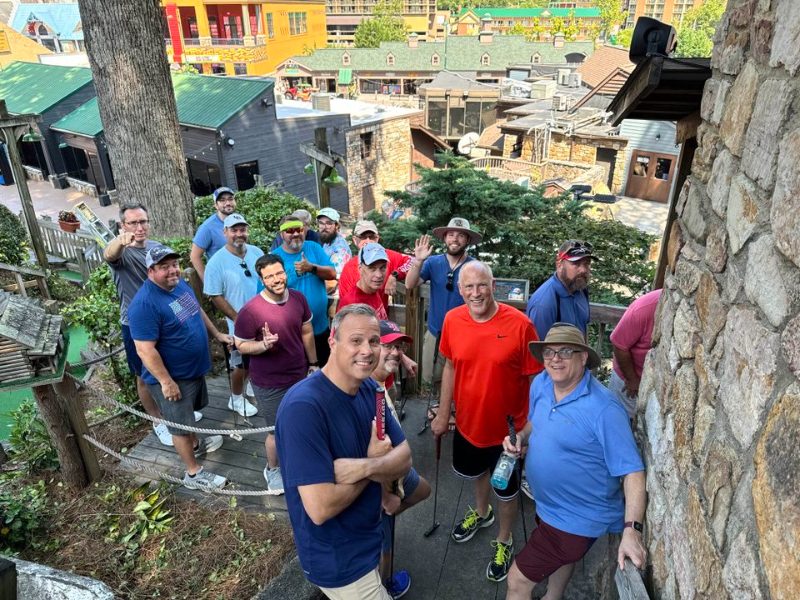
Nobody planned for the MGWT to become a tradition.
It just kept happening.
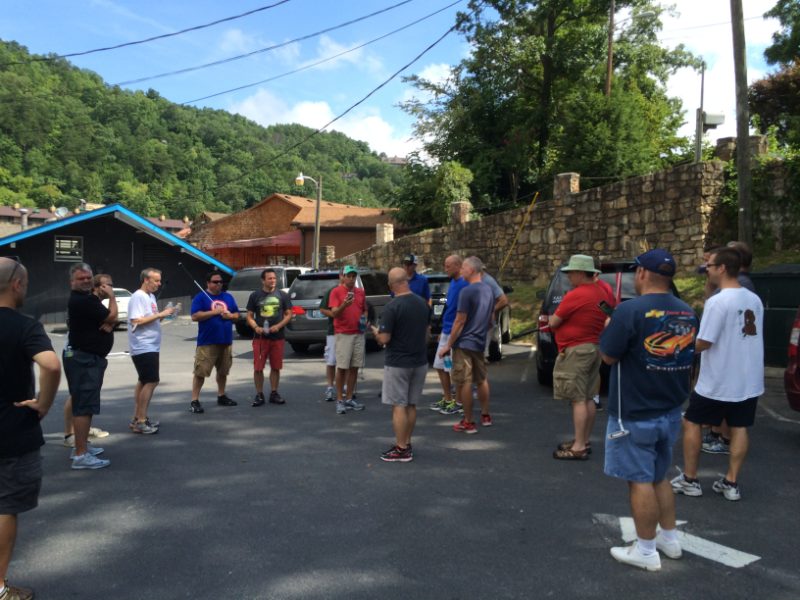
The competition kept demanding better tools.
A few years into the Tour, Steve Carter wanted a better way to know where everybody stood.
So he started entering scores into his Palm Pilot and aggregating them into a running leaderboard.
Eventually the Palm Pilot became Excel. Excel moved onto a phone. After each venue, Steve would gather everybody together and read out the standings.
Later came an increasingly elaborate Google Sheets system.
Eventually, Putta.
The tools kept changing. The question never did: Who's winning?
A five is better than a six.
David asked me to come for years.
I'm a golfer. I didn't really know these guys. And adults driving five hours to play competitive mini golf sounded… weird.
Eventually I went.
My first night was at the Firehouse.
I showed up assuming I'd play pretty well, have some fun, thank David for the invitation, and probably never do it again.
Then I started noticing things.
Guys had their own putters. Suction cups on the grips. Shirts from previous Tours. Everybody was laughing, but everybody was also paying attention.
My playing partner missed a short putt, watched it run three feet past the hole, and suddenly got very quiet.
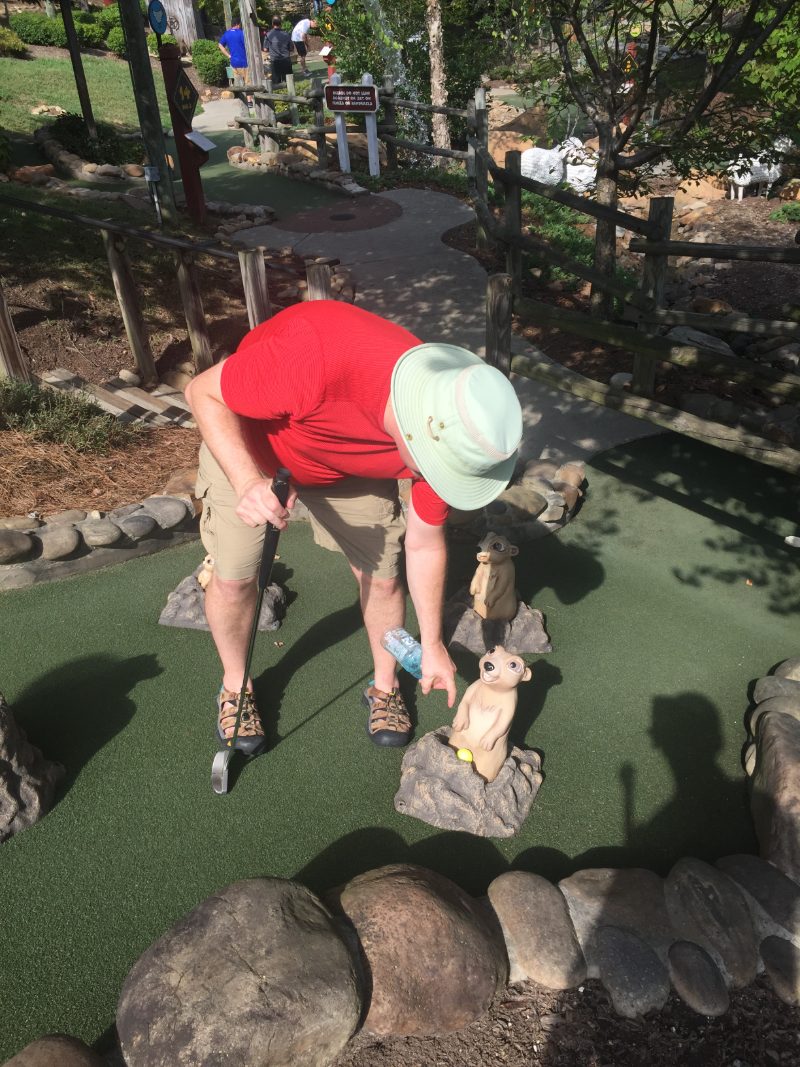
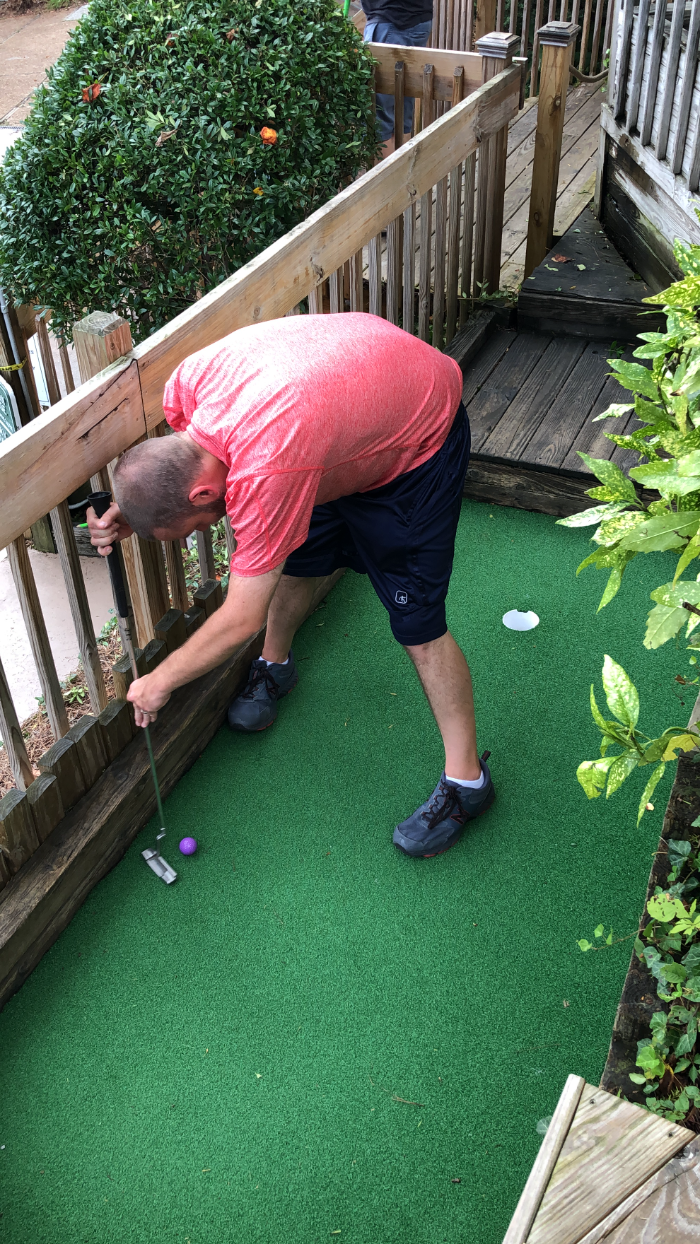

Then I found one of those holes.
I had about eight feet. Hit it too hard. Five feet coming back.
I barely touched the next one.
Five feet past again.
And for the first time all night, I had an experienced MGWT thought:
A five is better than a six.
I took my medicine.
A little later, my partner, with one of the strangest putting strokes I'd ever seen, started stringing together 2s, walked over, patted me on the back, and I remember thinking:
How cool is this?
I was hooked.
The scores tell you who won.
The lore tells you why anybody cares.
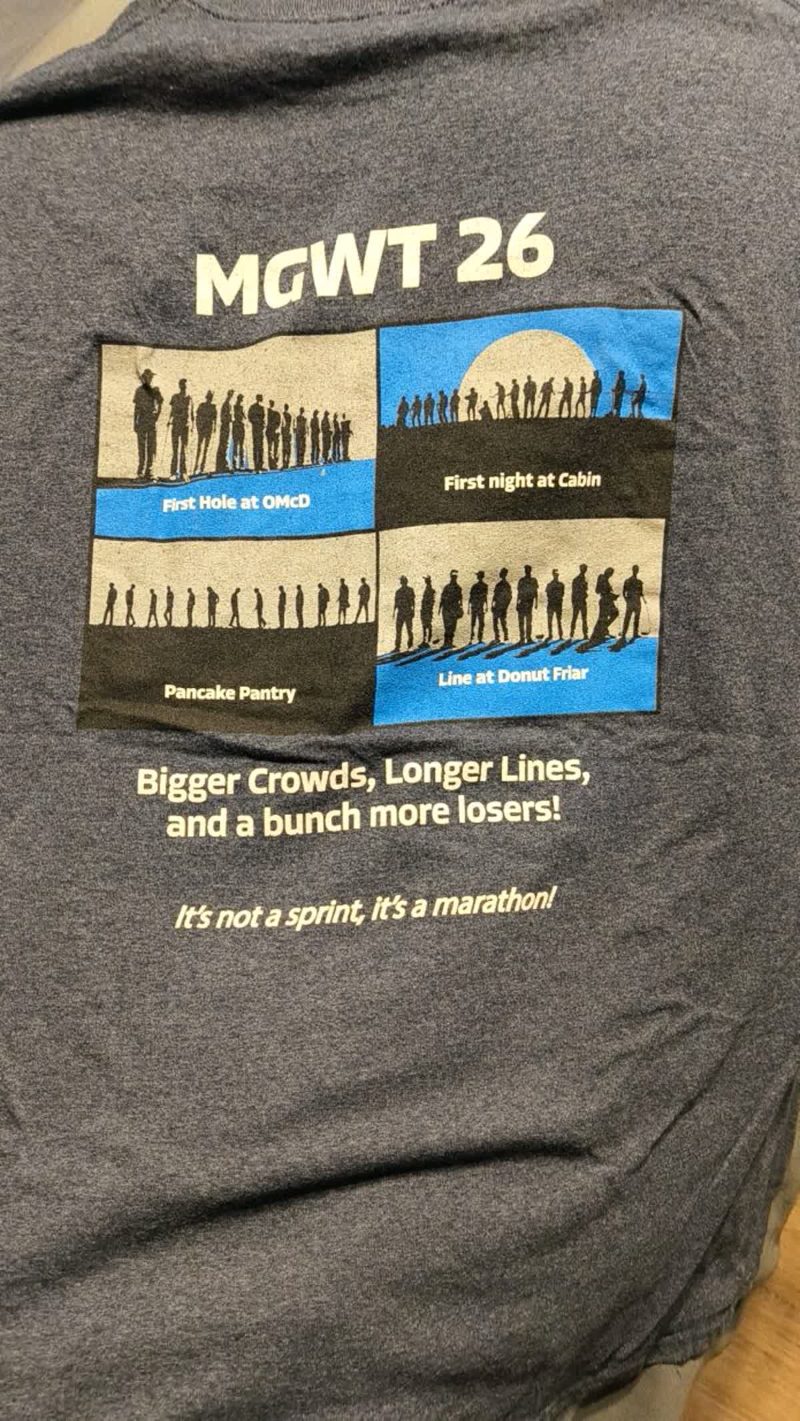
The shirt reveal
Every year David designs a new MGWT shirt. Nobody sees it until the first night at the cabin. Grown men wait for the unveiling like kids on Christmas, and then wear the shirts proudly for years.
8:59 means 8:59
Friday morning means the Pancake Pantry at 8:00. Everyone knows the rule: get off the street before 9:00. The police cars are ready.
Buckwheat pancakes
Every rookie is told that buckwheat pancakes are "mandatory" Friday morning.
Almost nobody actually orders them.
There is apparently a reason.
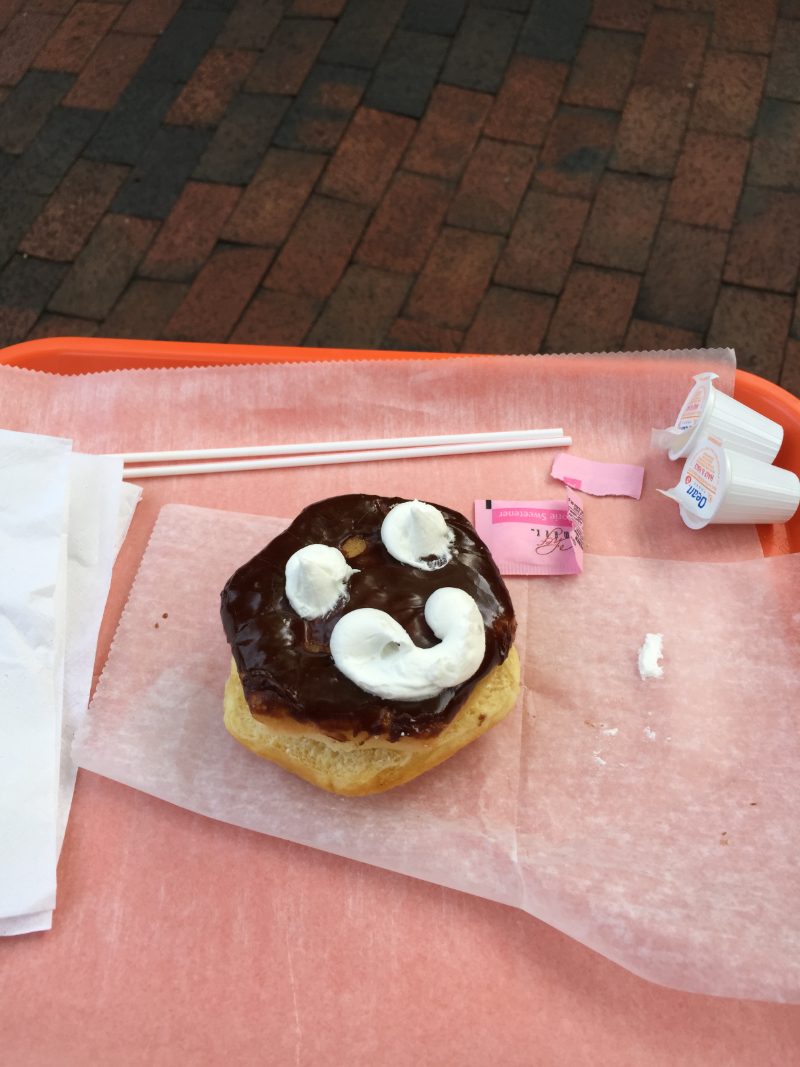
The Friar Special
Saturday morning means the Donut Friar and the Friar Special. At this point, not getting one would feel wrong.
The belt
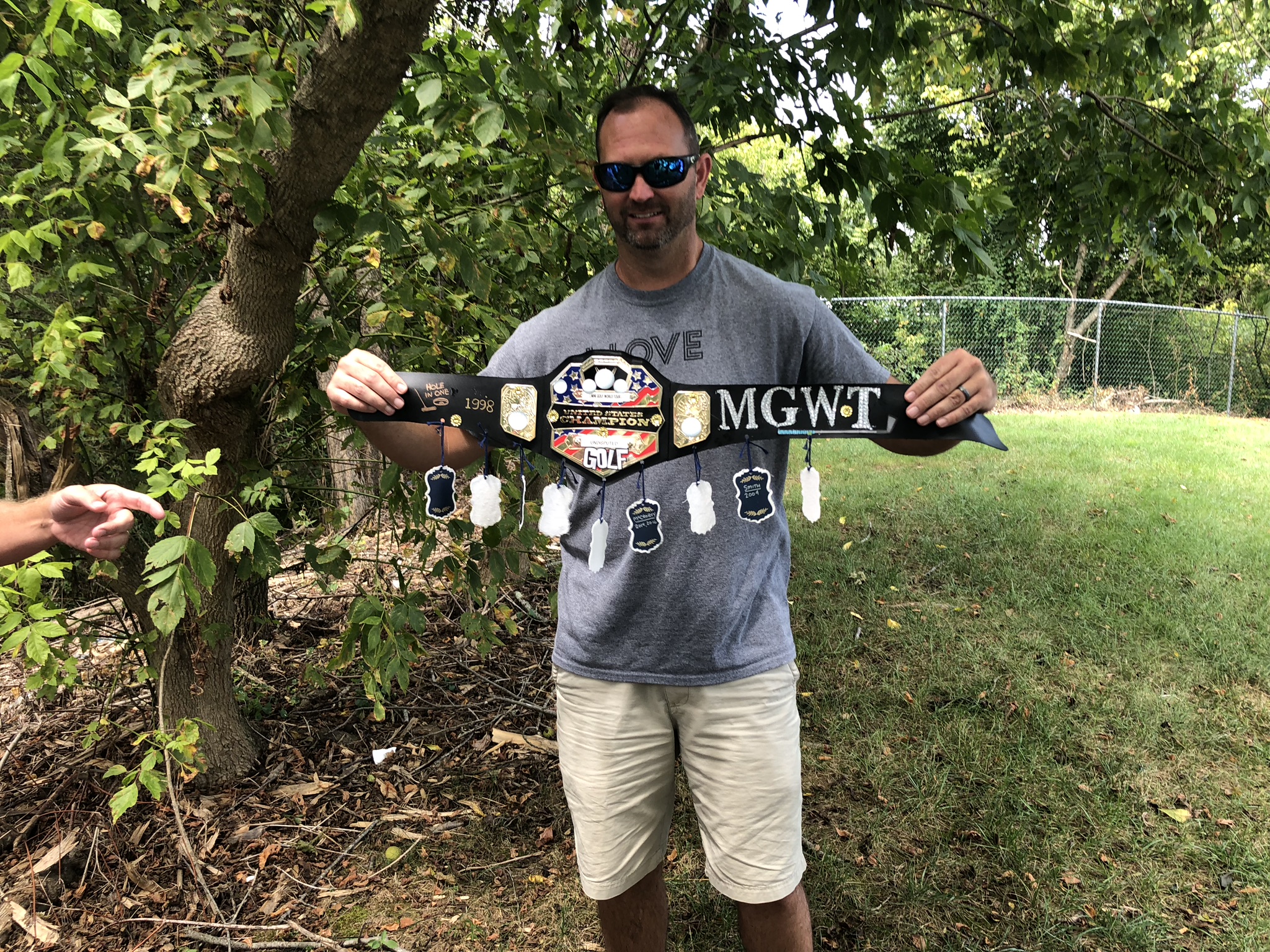
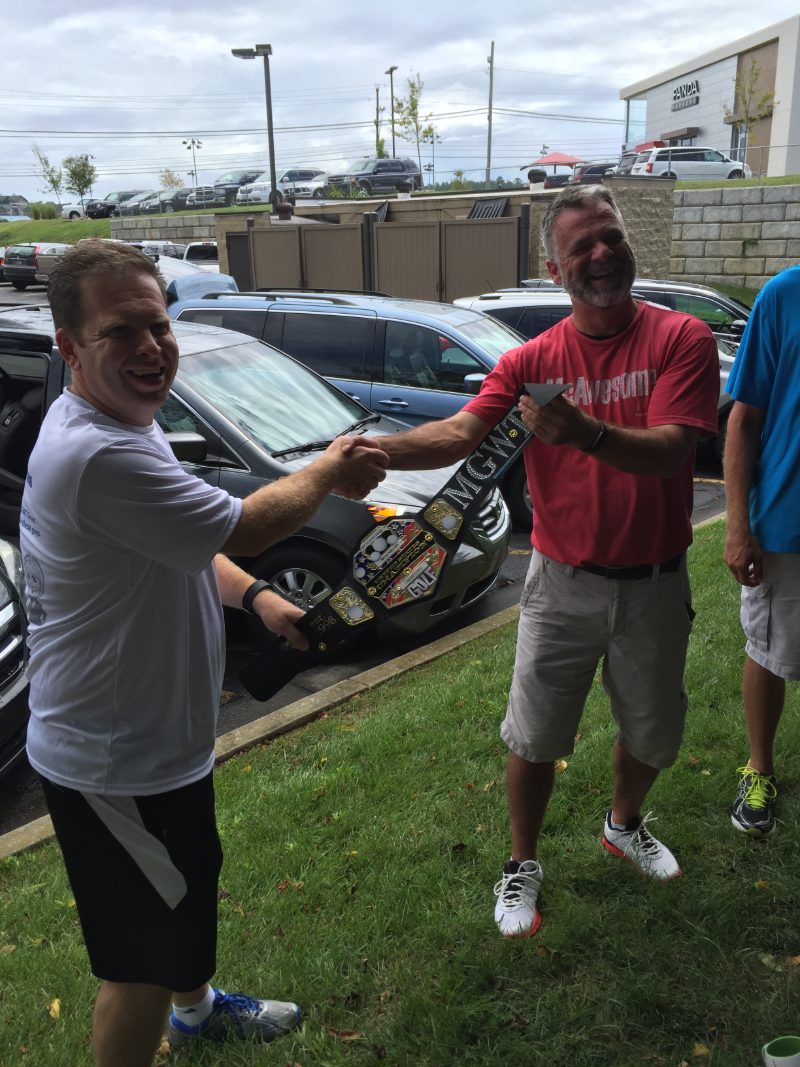
The MGWT championship belt arrived in 2015 because apparently a nearly 20-year-old mini-golf tournament was not ceremonial enough already.
Every champion joins the lineage.
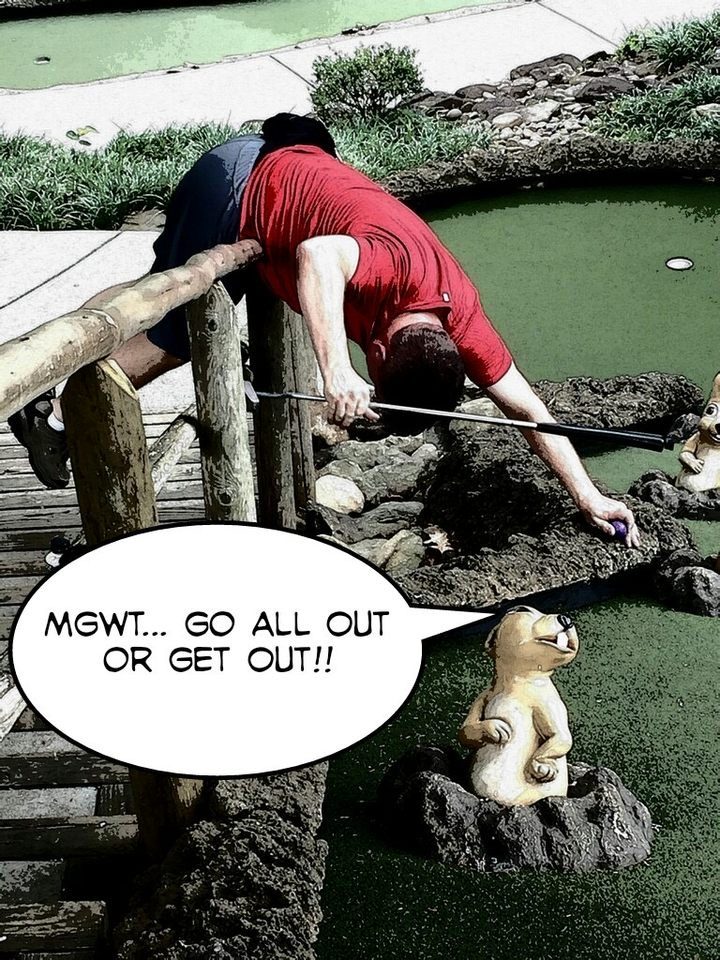
It's not a sprint. It's a marathon.
Nobody seems completely sure where it started. David does.
It appears on every shirt.
After three days of mini golf, everybody understands it.
It's all about the 2s.
You don't have to be spectacular.
Stay consistent. Keep making 2s. Stay alive.
Buzz off, bee.
Somewhere at Davy Crockett, an animatronic figure says it.
That is apparently enough to make something immortal.
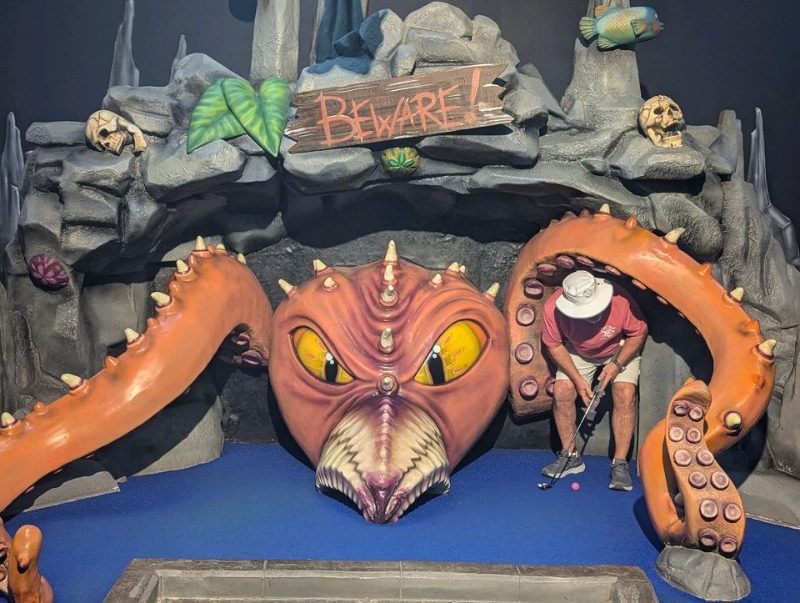
Everyone knows the holes that can ruin your weekend.
After enough years, the courses stop being anonymous.
Veterans remember how holes break. They remember where balls disappear. They remember the hole that wrecked somebody five years ago.
Fantasy can still make grown men nervous.
The Track was famously hot.
Crave outdoors may be hotter.
Old Gatlinburg climbs the side of a mountain and contains a few holes capable of turning a good round into a disaster.
And when somebody ahead of you makes an ace?
You're irritated because they just took a stroke from you.
But you're also thrilled.
Because now they're up next.
And you get to watch the line.
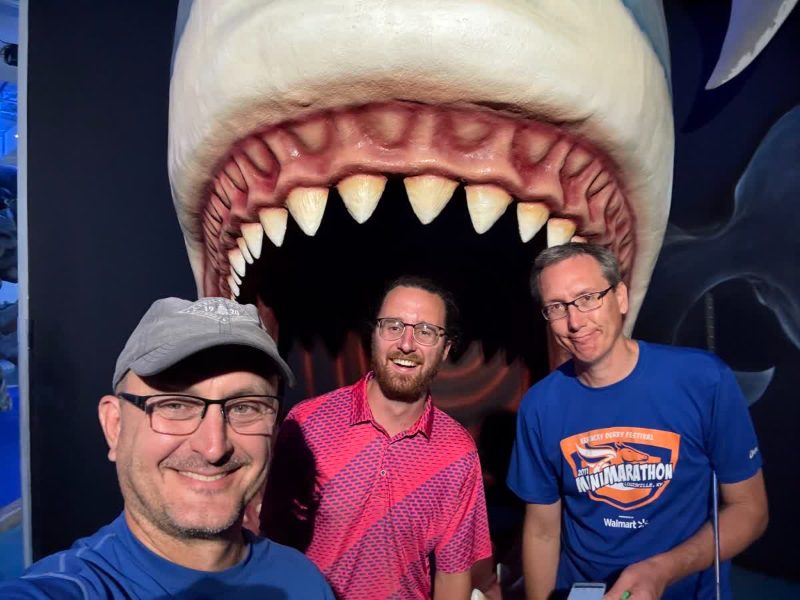
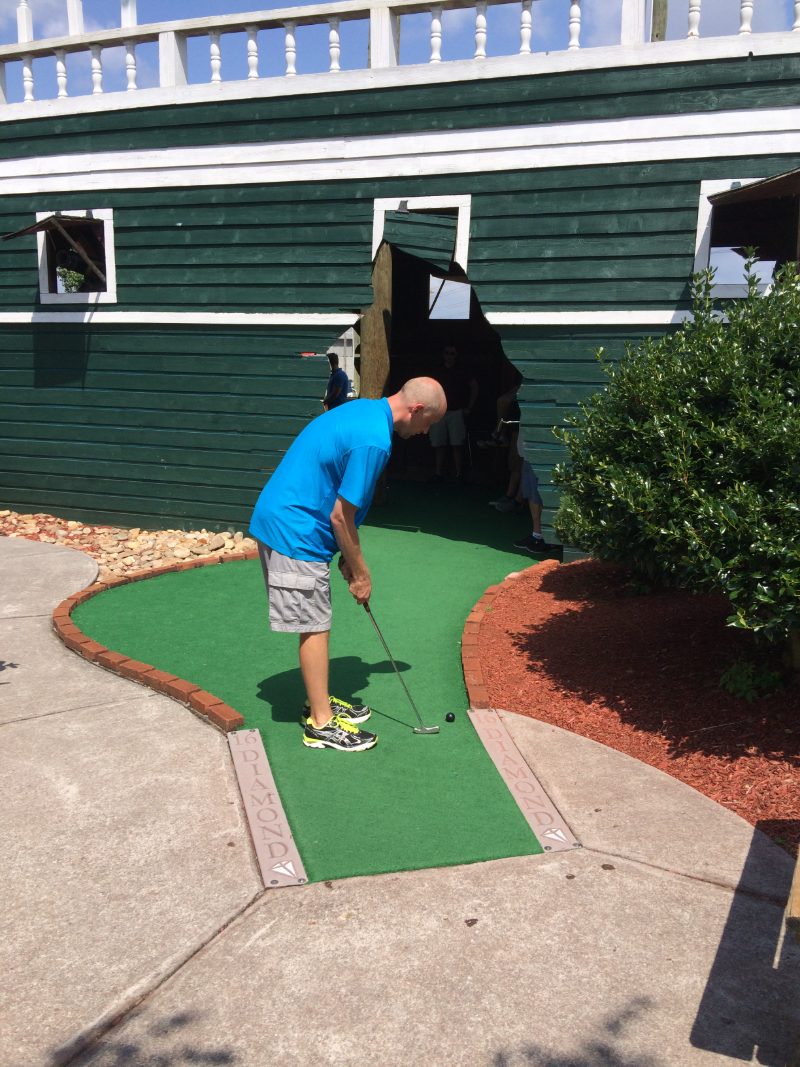
At some point, Troy just became the guy.
David started the MGWT.
Over time, Troy became the person who made sure it actually kept happening.
There wasn't necessarily a ceremonial handoff. He just gradually became the organizer, which makes sense, because Troy is a logistics guy.
By 2026, getting 36 people through a multi-day, multi-course tournament had become a logistical operation of its own.
Troy orchestrated it.
He also happens to be very good at the actual mini golf.
By far the most in Tour history.
In 2026, after all those players and all those holes, the championship came down to Troy and me tied.
A final-hole putt-off.
I lipped mine out.
Troy made his.
Of course he did.
The original guys didn't just get older.
The group got bigger.
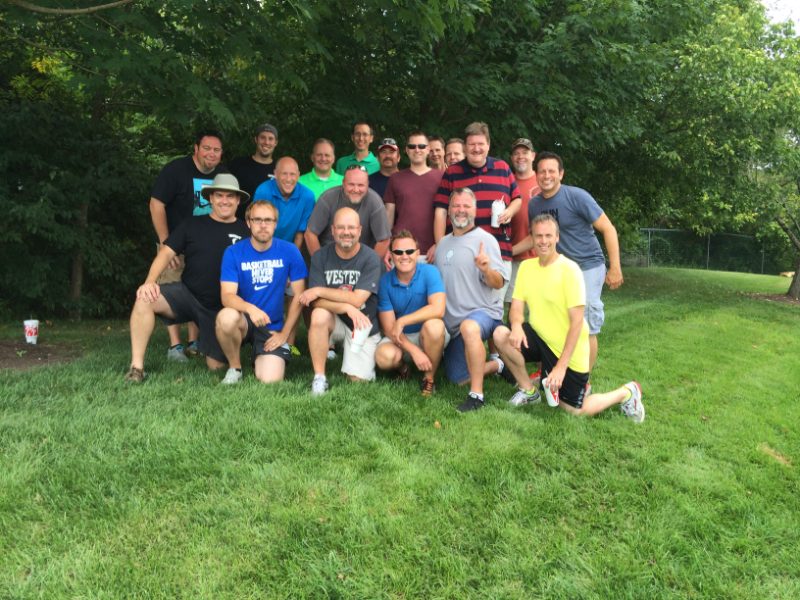
The first Tour had eight guys in their 20s.
Now MGWT includes players from their late teens into their 60s.
Four guys come from St. Louis every year, traveling to Louisville first so they can make the drive to Gatlinburg with the group.
Another four now come from West Virginia.
Sons started coming.
Then sons-in-law.
Friends.
Brothers.
Friends of friends.
People who didn't know the original group at all.
One person joins, loves it, and eventually brings somebody else.
Then that person brings somebody.
That is how eight became 36.
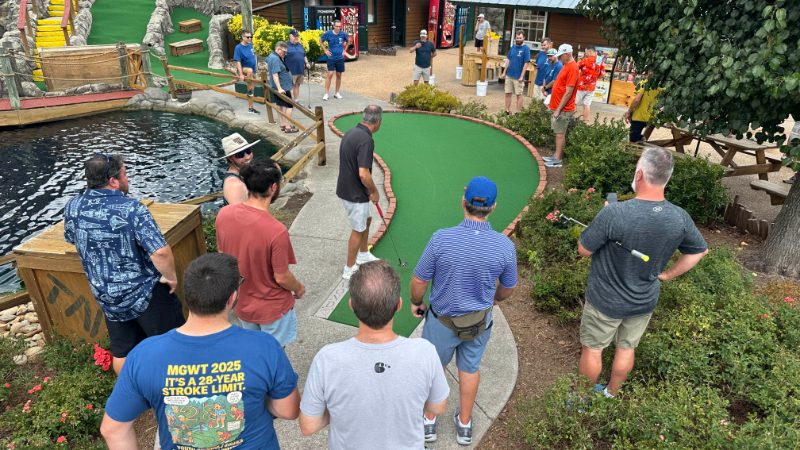
We weren't trying to invent this.
For almost 30 years, the MGWT kept finding better ways to preserve the competition.
Paper scores.
Palm Pilot.
Excel.
Google Sheets.
Photos.
Texts.
Stories everybody swore they remembered correctly.
Putta grew out of that history.
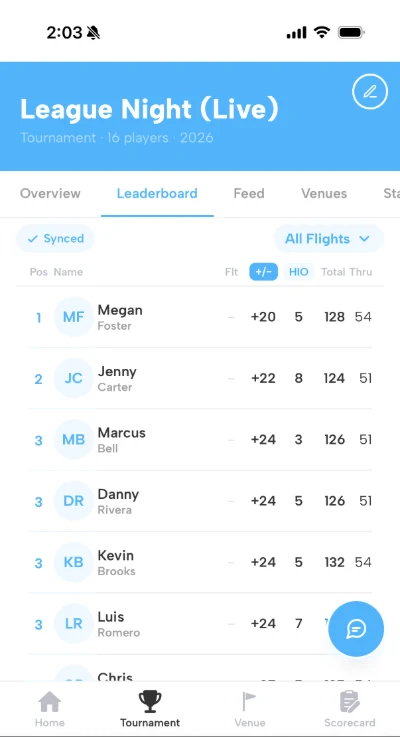
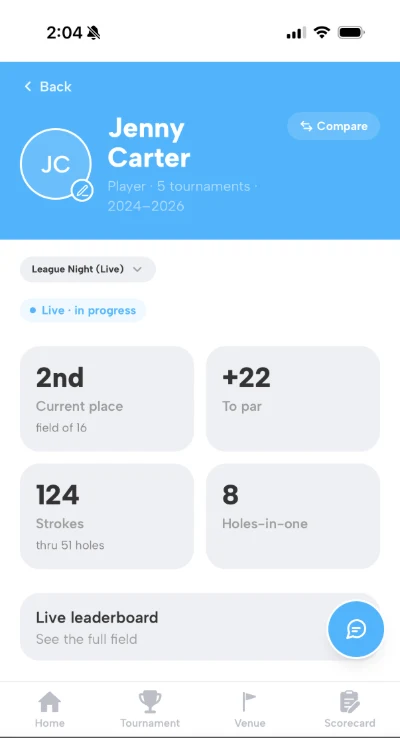
It gives the tournament one place for the scores, standings, players, stats and record, without replacing the part that actually matters.
The people.
Putta does not create the group.
It gives the group another thing to belong to.
The MGWT is ours.
You don't need 30 years of history.
You just need the people.
Start a Round